Introduction
The monitoring of stomas and ostomies is a critical element of healthcare that needs specialized knowledge and training. As healthcare experts, it's essential to equip ourselves with the best techniques in stoma and ostomy education and learning. With a boosting number of clients undertaking treatments that result in a stoma, understanding the nuances of ostomy care is essential for providing quality individual treatment. This write-up will delve into detailed strategies, educational needs, and sensible techniques that can enhance our competencies in this field.
Best Practices in Stoma and Ostomy Education for Healthcare Professionals
Stomas are operatively created openings on the abdominal areas that allow waste to leave the body when normal digestive tract or urinary function is not possible. Recognizing what a stoma is-- along with its implications-- develops the foundation of efficient ostomy care. To provide optimal care for individuals coping with a stoma, medical care experts need to undergo extensive training, such as stoma care training for carers, ndis complex bowel care training, and complex bowel treatment courses
What Is a Stoma?
A stoma is an operatively formed opening from an area inside the body to the outside setting. There are numerous types of stomas:
- Colostomy: Developed from the huge intestinal tract (colon). Ileostomy: Developed from the little intestinal tract (ileum). Urostomy: Diverts urine away from an infected bladder.
Each kind has one-of-a-kind care demands, highlighting the demand for specialized education.
What Is an Ostomy?
An ostomy describes any type of procedure that creates an opening (stoma) in the body, permitting waste elimination. It can be momentary or permanent, depending upon the underlying clinical condition. This requires customized education programs targeting both doctor and patients.
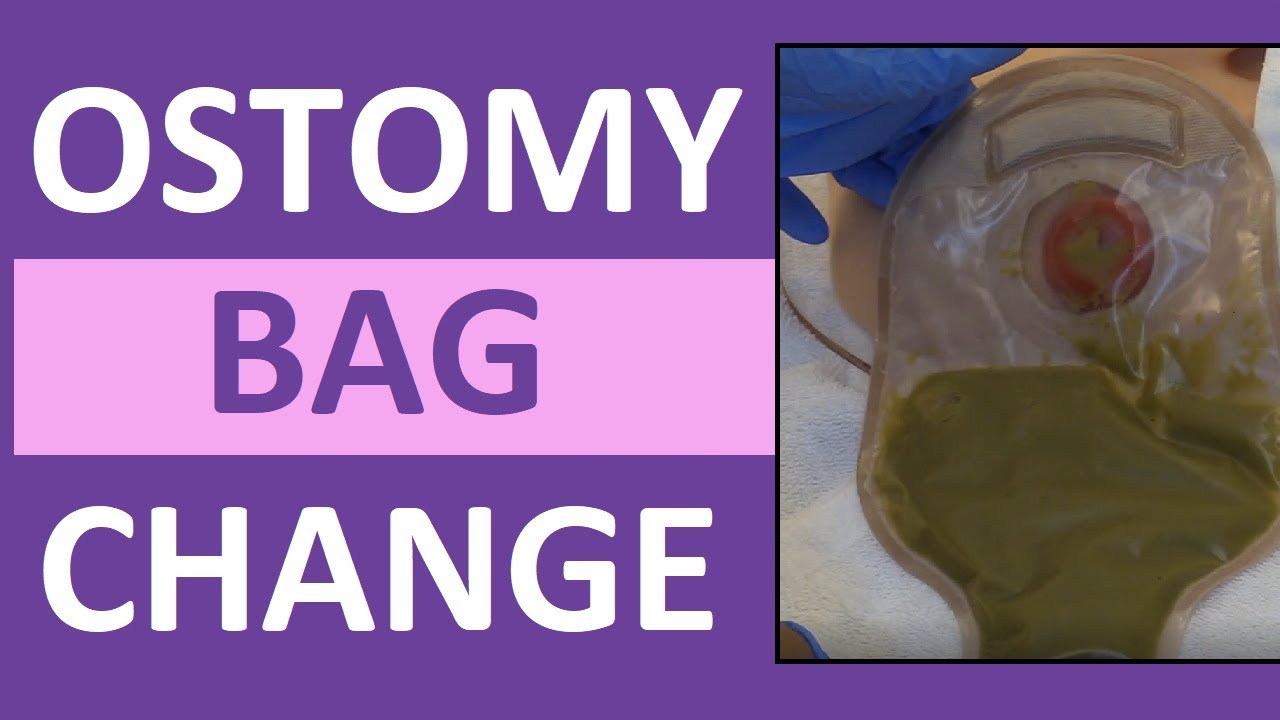
Importance of Stoma Care Training
Training in stoma care outfits healthcare experts with important abilities needed for effective patient monitoring. A robust understanding allows experts to teach patients concerning:
Proper cleansing techniques Skin security measures Recognizing issues early Emotional assistance strategiesThe Duty of Education in Digestive Tract Treatment Management
Education bordering bowel care management is important for promoting freedom amongst people with ostomies. It incorporates training skills connected to:
- Dietary adjustments Medication management Regular follow-ups with healthcare providers
NDIS Complex Bowel Care Training
The National Handicap Insurance Plan (NDIS) supplies details training programs focused on complex bowel care requirements. This includes:
- Assessing specific person needs Tailoring treatments based on specific conditions Supporting caregivers via structured academic modules
Comprehensive Overview of Stoma Care Courses
Various companies provide stoma care training courses, which commonly cover:
Anatomy and physiology appropriate to ostomies. Practical techniques for changing bags. Troubleshooting typical issues. Strategies for psychological support.These courses make sure that healthcare professionals have all-around expertise suitable to real-life situations.
Complex Digestive tract Treatment Training course Insights
Professionals carrying out complex bowel care courses gain insights into taking care of intricate instances involving multiple health and wellness conditions like:
- Inflammatory digestive tract disease (IBD) Cancer-related surgeries Congenital abnormalities
This particular training aids determine distinct difficulties faced by these individuals and supplies techniques to mitigate risks effectively.
Caring for an Ostomy: Best Practices
Caring for an ostomy exceeds simple technicalities; it includes compassion, patience, and positive involvement with people' demands:
Personalized Treatment Plans: Every patient's circumstance might differ; consequently, individualized strategies are crucial. Patient Education: Mentor clients just how to handle their stomas empowers them. Follow-Up Support: Constant support comforts people as they navigate their brand-new reality.Best Practices in Stoma and Ostomy Education And Learning for Health Care Professionals
To make certain effective end results, here are some finest practices every health care professional must adopt:
1. Stay Updated on Latest Research
Continuous learning via workshops, conferences, and updated literary works maintains specialists notified regarding improvements in ostomy technology.
2. Involve Multidisciplinary Teams
Collaboration amongst Go to this site specialists, nurses, dietitians, and mental health and wellness specialists cultivates all natural patient care.
3. Utilize Individual Resources
Providing individuals with easy-to-understand sources help comprehension of their problem and empowers them to organize their health journey.
4. Urge Peer Assistance Groups
Facilitating links between people can produce encouraging areas where common experiences help in reducing sensations of isolation.
Key Skills Required for Reliable Ostomy Management
Healthcare specialists ought to cultivate specific crucial skills throughout their training programs:
Clinical Skills
Understanding makeup pertaining to ostomies enables professionals to provide accurate assessments.
Communication Skills
Being able to interact successfully guarantees that individuals feel listened to and understood regarding their issues related to ostomy management.
Emotional Intelligence
Recognizing psychological distress in clients assists customize helpful treatments throughout challenging times post-surgery.
Common Obstacles in Stoma Care Management
Despite best shots, difficulties develop regularly throughout client monitoring worrying their stomas:
1. Skin Complications
Patients usually experience skin irritations around the stoma site due to incorrect suitable or allergic reactions to devices used.

Prevention Methods:
- Educate on correct application techniques. Recommend skin barrier items as needed.
2. Dietary Adjustments
Post-operative nutritional adjustments can lead people towards nutritional deficiencies otherwise handled correctly.
Practical Recommendations:
Guide clients through maintaining balanced diets while avoiding foods understood to cause pain or blockages.
FAQs on Stoma Care Training
Q1: What need to I consist of in my stoma care training curriculum? A1: An extensive curriculum should cover anatomy related to stomas, practical bag transforming techniques, troubleshooting typical problems, nutritional adjustments, mental assistance approaches, and ongoing assessment protocols.
Q2: Why is emotional support vital in ostomy education? A2: Several individuals encounter significant psychological hurdles after receiving an ostomy; offering mental support through therapy or colleagues can significantly boost their lifestyle post-surgery.
Q3: Just how frequently ought to I upgrade my understanding concerning stoma care? A3: On a regular basis participating in expert growth courses at least annually is a good idea; nevertheless, staying notified concerning brand-new research constantly is similarly important.
Q4: What resources are offered for caretakers looking after somebody with a stoma? A4: Various online platforms supply guides particularly created for caregivers; additionally, neighborhood support system can offer indispensable peer networks sharing useful pointers based upon lived experiences.
Q5: Are there specialized qualifications offered focusing on ostomy education? A5: Yes! Different organizations offer qualifications that concentrate particularly on wound/ostomy continence nursing (WOCN), which enhances reputation within this specialty domain significantly!
Q6: Can modern technology help in handling complicated bowel conditions? A6: Definitely! Emerging technologies such as telehealth appointments facilitate routine tracking while likewise enhancing access to professional suggestions throughout therapy strategies tailored uniquely per individual's needs!
Conclusion
In verdict, executing ideal methods in stoma and ostomy education is crucial for improving health care end results across varied individual populations dealing with these problems daily! Through properly designed instructional structures incorporating academic knowledge together with sensible applications tailored in the direction of real-world scenarios-- healthcare providers can confidently assist those navigating life post-surgery while guaranteeing they keep control over their health and wellness journeys progressing! By engaging actively within multidisciplinary groups while regularly updating our skills with continued expert advancement opportunities-- we pave pathways in the direction of improved quality-of-life end results throughout all spectrums entailed within this vital area of patient-centered clinical technique today!